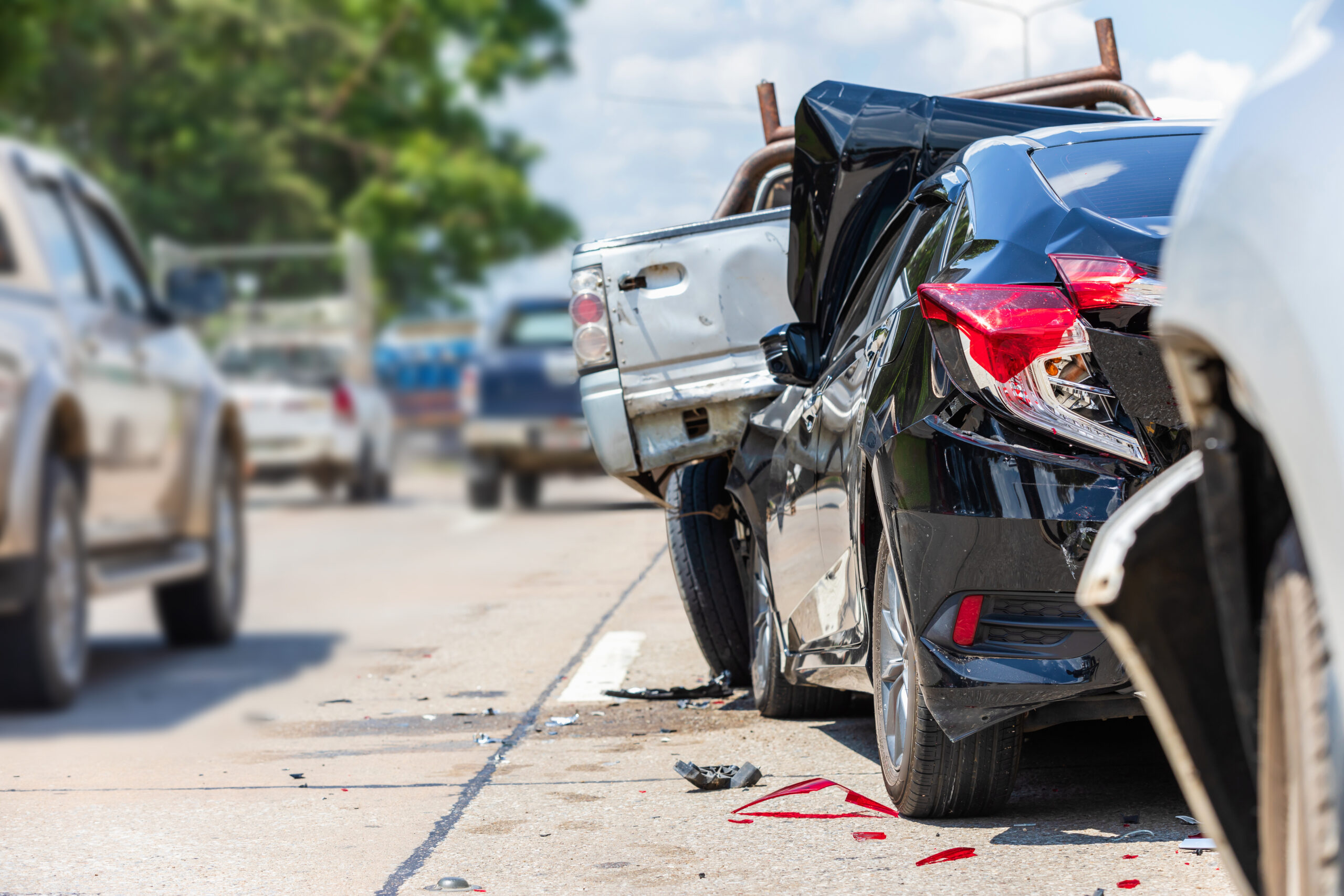
A chain-reaction crash on the Garden State Parkway can unfold in seconds, leaving drivers disoriented, cars scattered across multiple lanes, and the question of fault impossibly tangled. When five, ten, or even more vehicles are involved, New Jersey’s insurance system faces a difficult puzzle: who actually caused this, and who should pay for it?
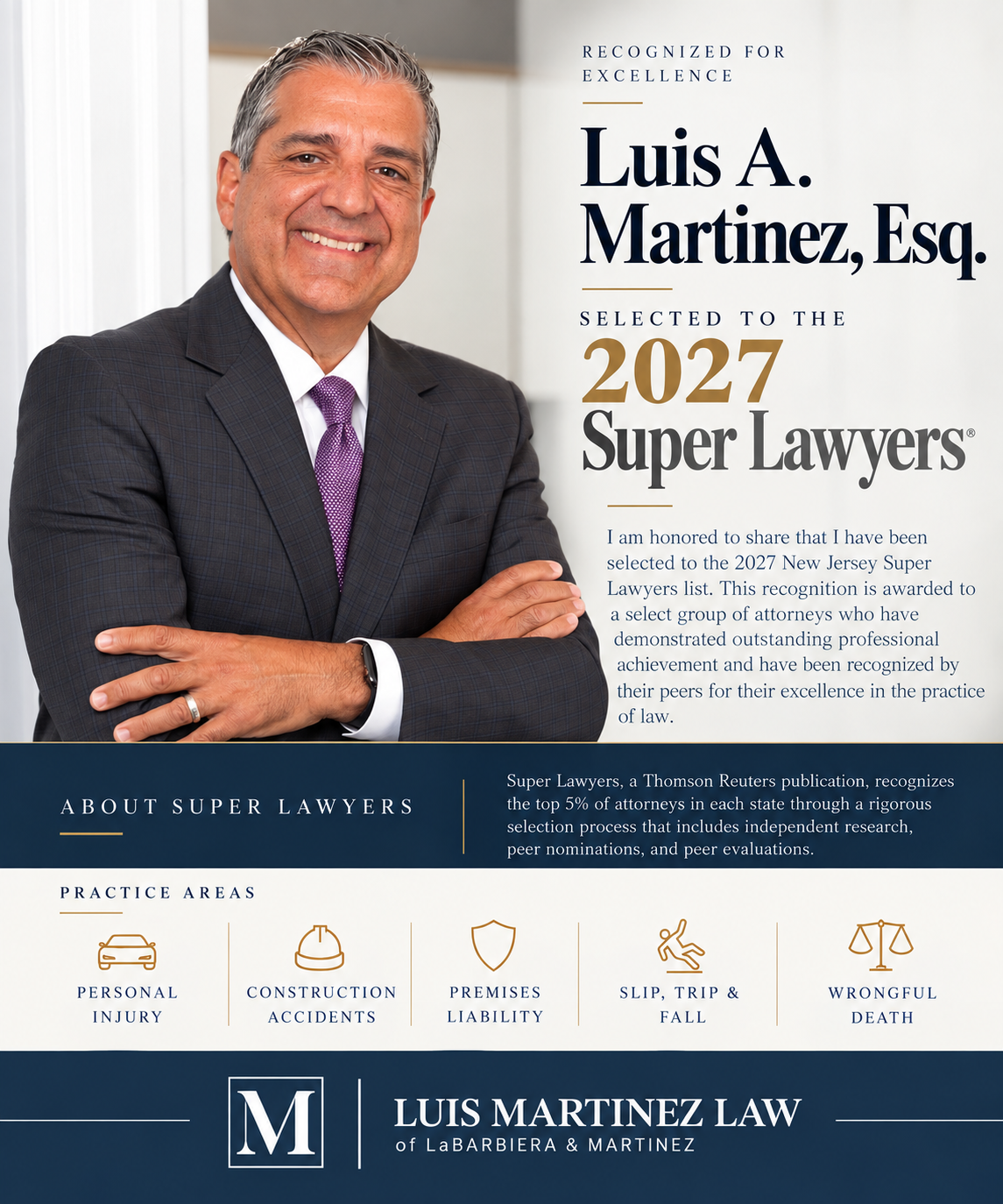
If you were hurt in a multi-car pileup, sorting out liability on your own is one of the hardest challenges in personal injury law. As a Hackensack car accident attorney who has represented injured people throughout Bergen County for 34 years, Attorney Luis Martinez understands how these claims work and how insurance companies use their complexity against you.
Why Liability Gets Complicated in Pileups
Most accidents involve two vehicles and two parties. A pileup changes that math entirely. When a driver rear-ends someone who then strikes the car ahead, every collision after the first one becomes its own liability question. According to the National Highway Traffic Safety Administration’s crash statistics, rear-end crashes account for a significant share of multi-vehicle fatalities nationwide, and high-speed corridors like the Parkway are among the most dangerous settings for chain-reaction collisions.
Establishing the Chain of Events
New Jersey follows a modified comparative fault rule, meaning each party can be assigned a percentage of responsibility. If you are found less than 51% at fault, you may still recover damages, but your compensation is reduced by your share of fault. In a 10-car pileup, insurers for each driver will work hard to push blame onto someone else. The driver who started the chain may be the most responsible, but a driver who followed too closely, was speeding, or failed to brake in time can share fault as well.
When Weather or Road Conditions Are a Factor
The Parkway sees some of the worst traffic conditions in Northern New Jersey, from fog and ice to sudden downpours that reduce visibility to near zero. Poor weather does not eliminate driver responsibility. Motorists are expected to adjust their speed and following distance based on conditions. If someone was traveling at highway speed in a dense fog bank, that decision can factor into their percentage of fault. In some cases, a government entity may bear partial responsibility if a known hazard on the roadway was not adequately addressed.
Who You May Be Filing Claims Against
Multi-car accidents frequently result in multiple simultaneous insurance claims. You may have claims against more than one driver, each backed by a separate insurer with its own interests.
Here are the parties that commonly share liability in a pileup:
- The initial at-fault driver: The person whose action, whether sudden braking, distracted driving, or an improper lane change, started the chain reaction often carries the largest share of fault.
- Subsequent drivers: Anyone whose following distance, speed, or inattentiveness contributed to secondary collisions after the first impact may bear independent liability.
- Commercial vehicle operators: If a truck or delivery vehicle was involved, the driver’s employer may be a responsible party as well, particularly in truck accident cases where the driver was on duty.
- The State of New Jersey: If a defective guardrail, inadequate lighting, or a malfunctioning traffic management system contributed to the crash, a government claim may be available, though these are subject to strict notice requirements.
No matter how many parties are involved, your right to recover does not disappear because the accident was complicated.
How Evidence Makes or Breaks These Cases
Pileup investigations move quickly, and so do insurers. Before you have finished treating your injuries, adjusters may already have statements from other drivers, downloaded data from event recorders, and reviewed whatever surveillance footage existed along that stretch of the Parkway. That activity is not in your interest. Every piece of evidence gathered at this stage shapes the story of who caused what.
What Helps Your Claim
Witness accounts, dash cam footage, police reports, and physical evidence like skid mark patterns all help establish the sequence of events. Accident reconstruction experts are sometimes needed to work backward from the final resting positions of vehicles and figure out who was moving at what speed when each impact occurred. This kind of evidence is exactly what insurers do not want to see, because it removes ambiguity they would otherwise exploit.
The Insurance Company’s Playbook
When liability is genuinely unclear across multiple parties, insurers sometimes lowball settlements early, betting that an injured person will accept a quick payment rather than pursue the full value of the claim. They may also delay, hoping medical bills and lost income pressure you into settling before the full extent of your injuries is understood. Knowing this in advance is part of what makes experienced representation so valuable in multi-vehicle cases.
What to Do After a Parkway Pileup
The steps you take immediately after the crash matter more than most people realize. Seek medical attention right away, even if you feel fine at the scene. Some injuries, particularly neck and back trauma from whiplash-type forces common in rear-end chains, do not become apparent until days later. Document everything you can: photos of all vehicles involved, the positions of cars after coming to rest, weather conditions, and any statements other drivers made at the scene.
If car accident claims in Lodi or other nearby towns have taught us anything, it is that the geography of where a crash happens affects everything from which police agency responds to which county courthouse your case may eventually land in. For Paramus car accident victims, similar dynamics apply. Local knowledge of these jurisdictions gives your attorney a real advantage when building your claim.
Attorney Luis Martinez Can Help You Untangle Liability
Multi-car pileup cases demand the kind of preparation and local knowledge that only comes from decades of practice in the same courtrooms, against the same insurance companies, on the same roads. Attorney Luis Martinez is a Certified Civil Trial Attorney, a designation held by fewer than 1% of lawyers in New Jersey, and has spent 34 years representing injured clients throughout Bergen and Hudson counties. Every client receives his personal cell phone number on day one, because when you call, you reach an attorney, not a call center.
Call a lawyer, not a billboard. If you were hurt in a chain-reaction crash on the Garden State Parkway or anywhere in Northern New Jersey, you deserve representation from someone who speaks your language, whether that means English, Spanish, or simply the language of someone who has lived and practiced in this community his entire career. Do not let insurance companies frame the story without you. Contact our office today to find out what your claim may be worth.