
Call Today – (201) 846-7100
Hackensack’s downtown restaurants, Hackensack University Medical Center, and the NJ Transit bus terminal make it one of Bergen County’s busiest destinations for Uber and Lyft riders. Drivers picking up passengers on Main Street, near the Bergen County Courthouse, or along Route 4 often pull over suddenly, check the rideshare app while in motion, or drift into traffic while navigating unfamiliar routes. Those decisions put passengers, pedestrians, and other drivers at serious risk.
As a Certified Civil Trial Attorney who grew up in this area and served as a local judge, Luis provides personal, direct representation that large billboard firms cannot match. Rideshare accidents involve multiple insurance policies and corporate defendants. Having an attorney who understands both the local roads and New Jersey’s insurance laws makes a real difference in what you recover.
⚠ Time-Sensitive — NJ Law Limits Your Window to File
Injured in Hackensack? New Jersey's 2-year statute of limitations begins from the date of your accident. Missing this deadline ends your right to compensation.
34 years of experience. Certified Civil Trial Attorney. No fees unless we recover compensation for you.
Legally Reviewed by Luis Martinez, Personal Injury Attorney on June 26, 2026
Uber and Lyft maintain their own insurance policies, and their claims teams begin evaluating your case the moment an accident is reported through the app. Their goal is to minimize payouts. Without experienced legal representation, you may face pressure to accept a quick settlement that does not cover your full medical expenses, lost income, and long-term needs.
A rideshare accident attorney accurately values your claim by accounting for all damages, including ongoing medical treatment, physical therapy, lost wages, reduced earning capacity, and pain and suffering. We investigate which insurance policy was active at the time of the crash, whether the driver was logged into the app, and whether a third-party driver shares fault, so nothing that affects your recovery is overlooked.
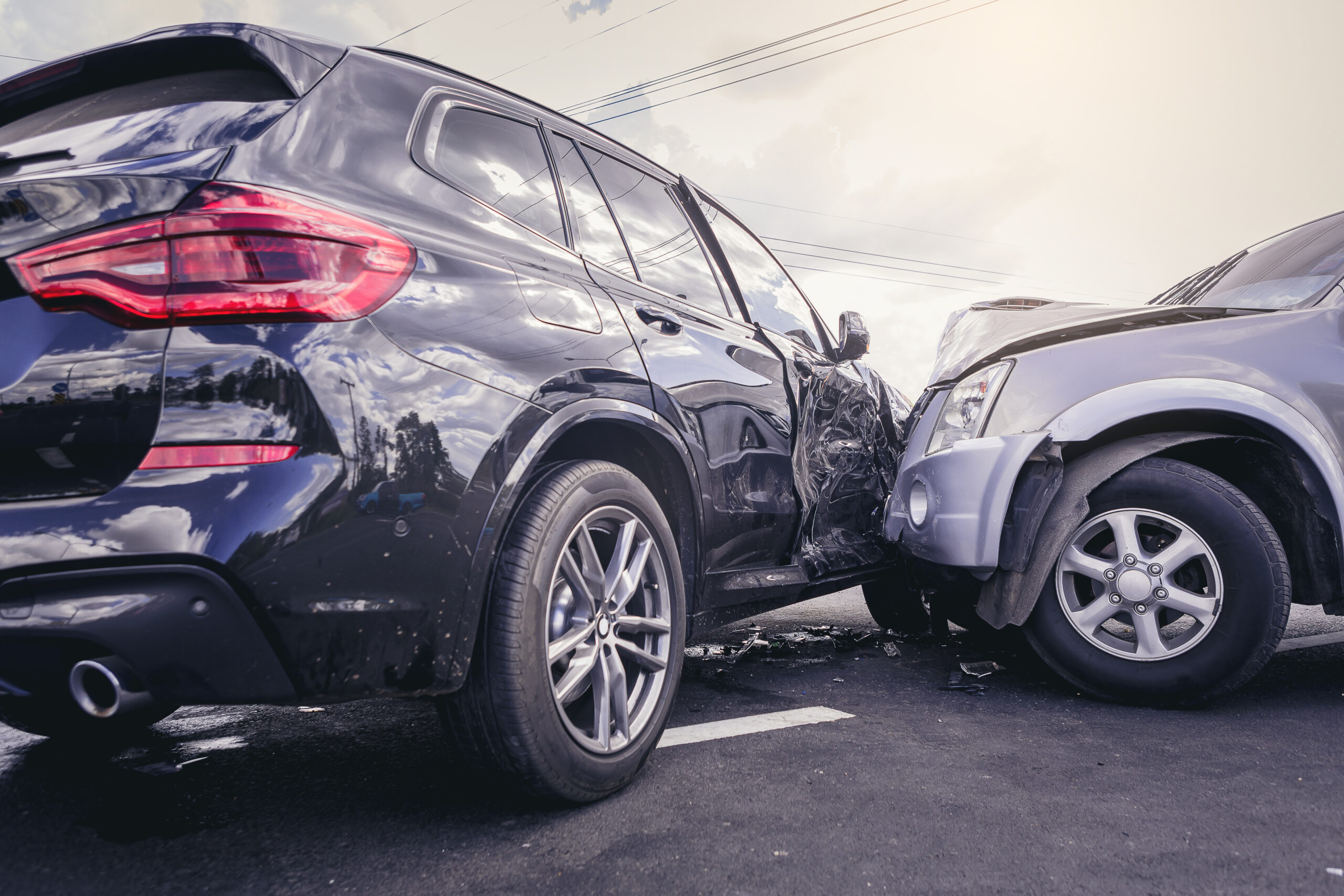
Rideshare accidents in Hackensack involve more complexity than typical collisions because liability depends on who was at fault and what coverage was active at the moment of impact. Luis Martinez has handled motor vehicle cases throughout Bergen County for over three decades and understands how to navigate the layered insurance policies that apply when an Uber or Lyft driver is involved.
Whether the accident occurred during an active trip, while the driver was waiting for a fare, or during a dropoff near downtown Hackensack, the applicable insurance coverage depends on the driver’s app status at the moment of impact. We investigate each case thoroughly to identify every available source of compensation for your injuries.
A collision can cause injuries ranging from minor to catastrophic. Even accidents that initially seem minor can lead to serious medical conditions that develop over days or weeks. Insurance companies routinely downplay these injuries to reduce payouts. We document every injury, connect you with appropriate medical care, and make sure the full scope of your damages is reflected in your claim.
01
Whiplash occurs when your head snaps forward and backward during a collision, straining neck muscles and ligaments. While insurance adjusters dismiss these injuries as minor, whiplash can cause chronic pain, headaches, and limited mobility that persists for months or years. Proper medical documentation and legal representation ensure you receive fair compensation for ongoing treatment.
02
The impact force in rideshare accidents frequently causes bone fractures in arms, legs, ribs, and the collarbone. These injuries require immediate medical attention, often including surgery, physical therapy, and extended recovery time that affects your ability to work and earn income.
03
Concussions and traumatic brain injuries occur when your head strikes the steering wheel, window, or dashboard, or when your brain moves violently inside your skull. These injuries can cause memory problems, personality changes, difficulty concentrating, and other cognitive issues that affect your work and relationships. Brain injuries require comprehensive evaluation and ongoing monitoring by medical professionals.
04
The sudden jolt of a collision can damage vertebrae, herniate discs, or injure the spinal cord itself. Back injuries often require extensive treatment including pain management, physical therapy, and sometimes surgery. Severe spinal cord damage can result in partial or complete paralysis, fundamentally changing every aspect of your life and requiring maximum compensation.
Some rideshare accidents result in life-altering injuries that require extensive medical care, long-term rehabilitation, and permanent lifestyle adjustments. These catastrophic injuries justify pursuing the maximum compensation available under all applicable insurance policies.
Severe accidents can cause permanent disabilities that prevent you from returning to your former occupation or performing everyday tasks independently. Facial scarring, limb amputations, or other disfigurements create emotional trauma beyond the physical limitations. Compensation for these injuries must account for lost earning capacity, ongoing care needs, and the psychological impact on your quality of life.
Blunt force trauma can damage internal organs including the liver, spleen, kidneys, or lungs. These injuries may not be immediately apparent but can become life-threatening without prompt medical attention. Internal injuries often require emergency surgery and extended hospitalization, creating substantial medical expenses that your settlement should fully cover.
When vehicles catch fire during or after a collision, occupants can suffer severe burns requiring skin grafts, reconstructive surgery, and lengthy rehabilitation. Burn injuries are extraordinarily painful and often leave permanent scarring. The medical treatment for severe burns costs hundreds of thousands of dollars and requires compensation that reflects these extraordinary expenses.
When a rideshare accident results in a fatality, surviving family members face both emotional devastation and financial hardship. New Jersey law allows certain family members to pursue wrongful death claims to recover compensation for lost income, medical expenses incurred before death, and funeral costs. These cases require careful handling and a compassionate approach.
The actions you take immediately after a rideshare accident can significantly affect your ability to recover compensation. Rideshare crashes involve additional steps beyond a typical collision because you also need to preserve evidence from the Uber or Lyft app before it disappears. While shock and injury may make clear thinking difficult, following these steps protects your rights.
Check yourself and passengers for injuries before attempting to help others if it’s safe to do so. Call 911 immediately to report the accident and request medical assistance for anyone injured. Even injuries that seem minor warrant paramedic evaluation, as symptoms of serious conditions like internal bleeding or concussions may not appear immediately. Official medical documentation linking your injuries to the accident proves crucial for insurance claims.
Obtain the rideshare driver’s name, contact information, insurance company, and policy number. Take a screenshot of the Uber or Lyft app showing your trip details, the driver’s name and rating, and the vehicle information before closing out of the app. Note the trip ID, which you will need when filing a claim with the rideshare company’s insurance carrier. Avoid discussing fault at the scene.
Use your phone to photograph vehicle damage from multiple angles, skid marks, traffic signs, weather conditions, and the overall accident scene. Capture the position of vehicles before they’re moved if possible. These photos provide crucial evidence when reconstructing the accident and establishing fault, especially if the other driver later disputes their version of events.
Witnesses provide independent accounts of how the accident occurred, which becomes valuable if fault is disputed. Ask anyone who saw the collision for their name and contact information. If they’re willing, request a brief statement about what they observed. Witness testimony can make the difference between a successful claim and a denied one.
Visit an emergency room or your doctor within 24 hours even if you feel fine. Some serious injuries including internal bleeding, soft tissue damage, and concussions don’t produce immediate symptoms. Delaying medical care allows insurance companies to argue your injuries weren’t serious or weren’t caused by the accident. Follow all treatment recommendations and attend every appointment your doctors schedule.
Consult with a qualified rideshare accident lawyer before speaking with Uber, Lyft, or any insurance adjuster, or signing any documents. Rideshare companies and their insurers contact accident victims quickly, hoping to secure statements before you have legal guidance. Anything you say can be used to limit your claim.
Luis Martinez provides the personal attention and local knowledge that rideshare accident victims in Hackensack and throughout Bergen County deserve. With 34 years of experience at Luis Martinez Law as a Certified Civil Trial Attorney and former local judge, Luis handles these cases on a contingency fee basis. You pay nothing unless we recover compensation for you.
We use cookies to improve your experience on our site. By using our site, you consent to cookies.
Manage your cookie preferences below:
Essential cookies enable basic functions and are necessary for the proper function of the website.
CloudFlare provides web performance and security solutions, enhancing site speed and protecting against threats.
Service URL: developers.cloudflare.com (opens in a new window)
These cookies are needed for adding comments on this website.
Google reCAPTCHA helps protect websites from spam and abuse by verifying user interactions through challenges.
Google Tag Manager simplifies the management of marketing tags on your website without code changes.
Statistics cookies collect information anonymously. This information helps us understand how visitors use our website.
Google Analytics is a powerful tool that tracks and analyzes website traffic for informed marketing decisions.
Service URL: policies.google.com (opens in a new window)
Marketing cookies are used to follow visitors to websites. The intention is to show ads that are relevant and engaging to the individual user.
Google Maps is a web mapping service providing satellite imagery, real-time navigation, and location-based information.
Service URL: policies.google.com (opens in a new window)