
Call Today – (201) 846-7100
Rideshare accidents in Bergen County create a unique legal challenge: multiple insurance policies, shifting liability depending on whether the driver had a passenger, and companies that move quickly to minimize payouts. When you’re injured in an Uber or Lyft accident, knowing who is responsible and how to pursue compensation requires an attorney with experience navigating these layered claims.
As a Certified Civil Trial Attorney who has practiced throughout Bergen County for over three decades, Luis Martinez handles rideshare accident cases with the same personal attention and local knowledge that massive national firms simply cannot offer

Standard car accident claims involve two parties and their insurers. Uber and Lyft accidents are more complicated. Liability depends on the driver’s status at the time of the crash: whether the app was off, the driver was waiting for a ride request, or a passenger was actively in the vehicle. Each scenario triggers a different level of insurance coverage, and both companies have legal teams working immediately to limit their exposure.
New Jersey law requires rideshare companies to maintain significant insurance coverage when drivers are actively transporting passengers, but insurance companies frequently dispute the driver’s status or the extent of your injuries to reduce what they pay. Without experienced legal representation, you risk accepting a settlement that doesn’t fully cover your medical treatment, lost wages, and long-term recovery needs.
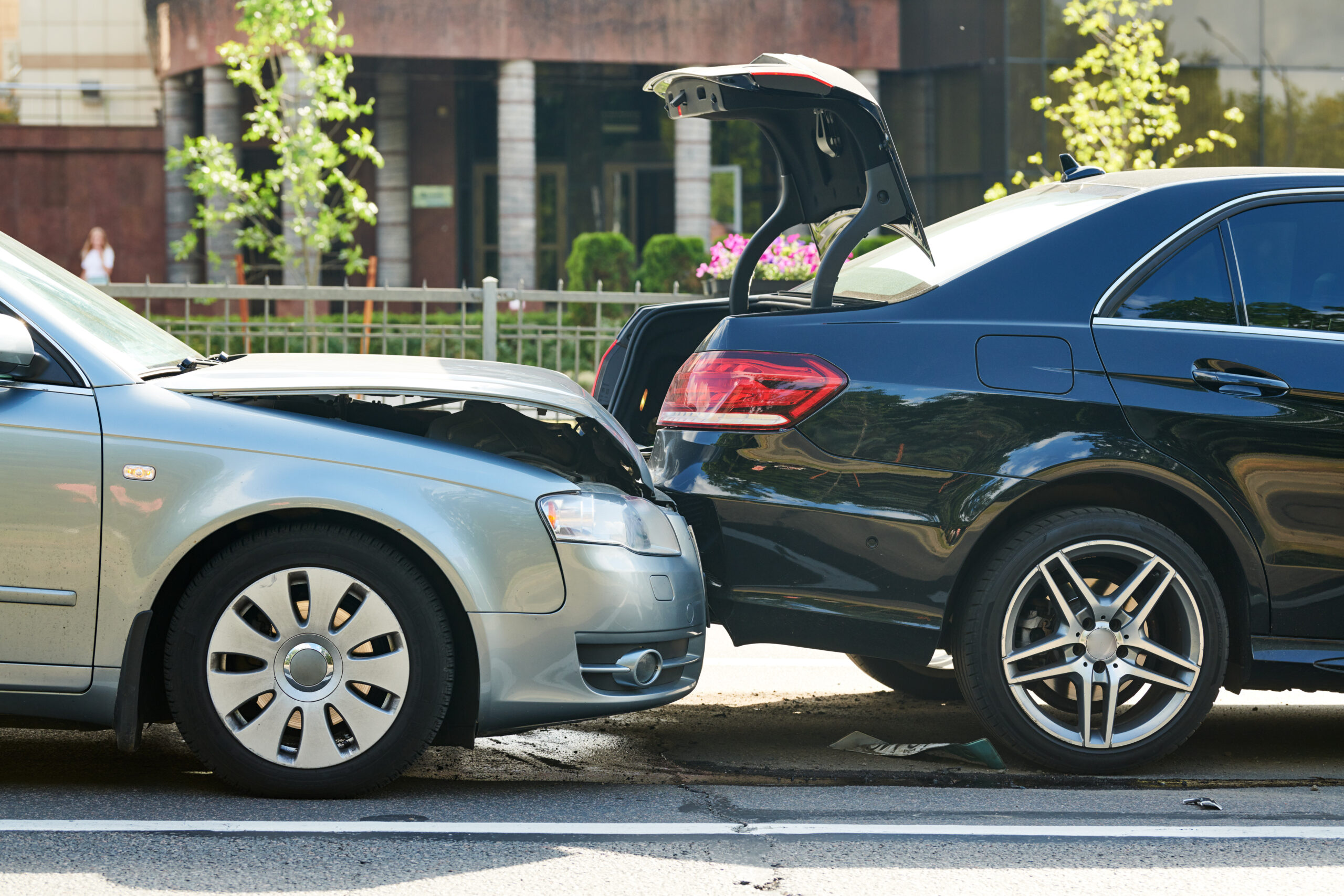
Rideshare accidents often involve more than one liable party, and identifying every responsible party is critical to recovering the full compensation you deserve. Depending on how your accident occurred, Luis will investigate all potential sources of compensation, including the rideshare driver, another at-fault motorist, a vehicle manufacturer if a defect contributed to the crash, or even a municipality responsible for dangerous road conditions.
Each of these parties carries separate insurance coverage, and pursuing all of them simultaneously requires an attorney who understands how rideshare liability law works. Missing even one liable party can mean leaving significant compensation on the table, something insurance companies count on when they deal with victims who don’t have legal representation.
The injuries sustained in Uber and Lyft accidents are no different from those in any serious collision. What is different is the complexity of pursuing compensation through multiple insurance carriers simultaneously.
01
Sudden stops and impacts strain neck and back muscles in ways that may not be immediately obvious. Insurance adjusters routinely downplay these injuries, making documentation and legal representation essential to a fair recovery.
02
Concussions and traumatic brain injuries can result from any collision, including low-speed rideshare accidents in urban traffic. Symptoms may not appear right away, which is why prompt medical evaluation matters even when you feel fine at the scene.
03
Impact with door panels, dashboards, or other passengers can cause fractures that require surgery, physical therapy, and extended time away from work. These injuries carry financial consequences that your settlement must fully address.
04
Herniated discs and spinal damage are common in rear-end and intersection collisions — the type of accidents rideshare vehicles are frequently involved in due to constant stop-and-go city driving.
Do not assume Uber or Lyft will handle your claim fairly. The moment an accident is reported, rideshare companies have legal teams working to limit payouts, and they have far more experience navigating these claims than most accident victims do. The coverage available to you depends on the driver’s app status at the time of the crash, which insurance carriers will dispute if they can. The steps you take in the days following the accident directly affect your ability to recover full compensation, and mistakes made early are difficult to correct later.
Open the Uber or Lyft app as soon as possible and screenshot everything: your driver’s name, trip details, pickup and drop-off information, and the time of the ride. Apps can update or clear data quickly, and this information is critical for establishing the driver’s status at the time of the crash.
Even if you were checked at the scene and released, see a doctor within 24 hours. Soft tissue injuries, concussions, and internal damage often don’t produce obvious symptoms right away. A documented medical evaluation connects your injuries directly to the accident and prevents insurers from arguing your condition developed later.
Uber, Lyft, and their insurance carriers may contact you quickly, often framing it as routine follow-up. Do not provide a recorded statement to any adjuster before speaking with an attorney. These statements are used to lock you into a version of events before you fully understand your injuries or your rights.
Rideshare accident settlements involve multiple insurers and shifting liability depending on the driver’s app status at the time of the crash. An experienced attorney reviews all available coverage, identifies every responsible party, and handles all insurer communication so you are not pressured into a settlement that falls short.
Uber and Lyft’s insurance coverage is not straightforward. What applies to your case depends entirely on what the driver was doing at the moment of the crash. Understanding these coverage tiers is the first step toward knowing where your compensation can come from.
If the driver had the app turned off at the time of the accident, Uber and Lyft bear no insurance responsibility. The driver’s personal auto insurance policy is the only available coverage, and many personal policies exclude commercial activity, which can complicate your claim significantly.
When a driver has the app on but hasn’t accepted a ride yet, Uber and Lyft provide limited contingent liability coverage. This applies only if the driver’s personal insurance won’t cover the claim. The coverage amounts at this stage are lower than when a passenger is in the vehicle.
Once a driver accepts a trip or has a passenger in the vehicle, Uber and Lyft’s full commercial insurance policy applies. Both companies carry up to $1 million in liability coverage at this stage, along with uninsured and underinsured motorist protection for passengers injured by other drivers.
If a third-party driver was at fault, their personal insurance is the primary source of compensation. If that coverage falls short, Uber or Lyft’s underinsured motorist policy may provide additional recovery depending on the driver’s app status at the time of the collision.
Serious rideshare accidents often trigger multiple insurance policies simultaneously. Sorting out which carrier is primary, which is secondary, and how to pursue all available coverage at once requires experience with rideshare liability law, something insurers count on most victims not having.
Insurance carriers for Uber, Lyft, and at-fault drivers frequently dispute the driver’s app status, the severity of injuries, and the cause of the accident. These disputes are designed to delay and reduce payouts. Having an attorney in your corner from the start prevents insurers from taking advantage of the confusion that rideshare claims naturally create.
Uber and Lyft classify their drivers as independent contractors, which limits direct lawsuits against the companies in most cases. However, both companies carry substantial commercial insurance policies that apply when drivers are active on the app. The goal is not necessarily to sue the company itself but to access every available source of compensation — and an experienced attorney knows how to do that effectively.
As a passenger, you are not at fault regardless of who caused the crash. If your Uber or Lyft driver was responsible, the company’s commercial policy applies. If another driver caused the collision, their insurance is the primary source of compensation, with Uber or Lyft’s underinsured motorist coverage available as a backup if that policy falls short. In either scenario, your right to pursue compensation is clear.
New Jersey’s statute of limitations gives most personal injury victims two years from the date of the accident to file a claim. However, waiting that long is not advisable. Evidence disappears, witnesses become harder to locate, and app data that establishes the driver’s status at the time of the crash may no longer be accessible. The sooner you consult with an attorney, the stronger your position.
Luis Martinez provides the personal attention and local knowledge that rideshare accident victims throughout Bogota and Bergen County deserve. While Uber and Lyft have corporate legal teams working to protect their bottom line, Luis works exclusively for you, personally handling every case from the first call through resolution. As a Certified Civil Trial Attorney of Luis Martinez Law, with 34 years of experience and deep roots in this community, he offers representation built on accessibility and results rather than billboard advertising. He speaks your language, both literally as a bilingual Spanish speaker and figuratively through his commitment to direct communication and client service. Call a lawyer, not a billboard. Contact our office today for a free consultation about your rideshare accident case.
We use cookies to improve your experience on our site. By using our site, you consent to cookies.
Manage your cookie preferences below:
Essential cookies enable basic functions and are necessary for the proper function of the website.
CloudFlare provides web performance and security solutions, enhancing site speed and protecting against threats.
Service URL: developers.cloudflare.com (opens in a new window)
These cookies are needed for adding comments on this website.
Google reCAPTCHA helps protect websites from spam and abuse by verifying user interactions through challenges.
Google Tag Manager simplifies the management of marketing tags on your website without code changes.
Statistics cookies collect information anonymously. This information helps us understand how visitors use our website.
Google Analytics is a powerful tool that tracks and analyzes website traffic for informed marketing decisions.
Service URL: policies.google.com (opens in a new window)
Marketing cookies are used to follow visitors to websites. The intention is to show ads that are relevant and engaging to the individual user.
Google Maps is a web mapping service providing satellite imagery, real-time navigation, and location-based information.
Service URL: policies.google.com (opens in a new window)